
How to Choose the Right Wedding Venue from a DJ’s Perspective
Updated: Jun 22
Choosing the right wedding venue is one of the biggest decisions you will make when planning your wedding.
Most couples look at the obvious things first: how the venue looks, how many guests it can hold, whether the food is good, whether there is parking and whether the date is available.
All of that matters.
But from a DJ’s perspective, there are other things that can completely change the atmosphere of your wedding reception. These are the things many couples only find out too late — usually after the venue has already been booked.
Sound limits, dancefloor layout, air conditioning, fire alarms, power supply, bar location, major sports events and production restrictions can all affect the party. Whether people like to admit it or not, the DJ plays a massive role in how the night feels. A wedding DJ can make or break the party, but even the best DJ in the world needs the right environment to create the right energy.
If you are planning a luxury wedding, destination wedding, Asian wedding, mixed-culture wedding or large private celebration, here are the key things to check before choosing your wedding venue.
1. Check If the Venue Has a Sound Limiter
One of the first questions you should ask any wedding venue is whether they have a sound limiter.
A sound limiter is a device that monitors the volume in the room. If the music goes over a certain level, it can cut the power or force the DJ to lower the sound. Some venues have reasonable limits, but others are so restrictive that it can seriously affect the atmosphere.
This is not about making the music painfully loud. A professional wedding DJ understands how to manage sound properly. But music needs enough power and clarity to create energy on the dancefloor.
If the sound is too restricted, guests may struggle to feel the impact of the music. The dancefloor can feel flat, the party can lose momentum and the whole reception can feel less exciting.
Before booking your venue, ask:
Does the venue have a sound limiter?
What decibel level is it set to?
Where is the sound limiter positioned?
Does it cut the power if the limit is exceeded?
Have other DJs had issues with it?
Can the DJ use their own sound system?
Are there any restrictions on bass levels?
This is especially important for weddings where music is a major part of the celebration, including Punjabi weddings, Asian weddings, luxury weddings and parties with garage, house, R&B, Bhangra, Bollywood or high-energy dance music.
A beautiful venue is great, but if the sound is badly restricted, it can affect the entire party.
2. Ask About Dry Ice for the First Dance
Many couples love the idea of dry ice for their first dance. It creates that low-lying cloud effect across the dancefloor and can look incredible in photos and video.
However, not every venue allows dry ice.
Some venues have fire detection systems that may be triggered by smoke, haze or atmospheric effects. Others may have strict rules because of health and safety, ventilation or alarm systems.
If you want that dramatic first dance moment, check this before you book the venue or before you commit to production extras.
Ask the venue:
Is dry ice allowed for the first dance?
Has it been used at the venue before?
Will it affect the fire alarm system?
Are there any restrictions on where it can be used?
Does the venue need risk assessments or supplier documents?
A first dance can be one of the most emotional and visually powerful moments of the night. If dry ice is important to you, make sure the venue can actually support it.

3. Haze Makes Lighting Production Look Completely Different
This is one that couples often do not realise.
If you are investing in proper lighting production, moving heads, beams, stage lighting or a high-end DJ setup, haze makes a huge difference.
Without haze, you will still see the light fixtures and some colour on the room. But with haze, the beams become visible. The lighting looks more dramatic, more premium and more like a proper event production.
I do not care what anybody says — if you want lighting production to have real impact, haze is important.
It creates depth, atmosphere and energy. It makes the room look better in person and often helps the photos and videos feel more cinematic.
However, like dry ice, haze is not allowed in every venue. Some venues do not allow it because of fire alarm systems or ventilation issues.
Before booking production, ask:
Is haze allowed in the main reception room?
Will haze trigger the fire alarm?
Has the venue allowed haze before?
Can the alarm system be isolated in the event space?
Are there specific suppliers who are approved to use haze?
If lighting is part of the vision for your wedding reception, this question matters.

4. Check Whether Cold Sparks Are Allowed
Cold sparks can create a huge wow factor for entrances, first dances, cake cutting and key moments during the night.
They are popular at luxury weddings, Asian weddings, destination-style celebrations and high-production events because they create that big visual moment without traditional fireworks.
But not every venue allows cold sparks.
Some venues have restrictions due to ceiling height, flooring, fire safety, insurance or internal policy. Even though cold sparks are designed differently from traditional pyrotechnics, they still need to be approved by the venue.
Before you plan cold sparks, ask:
Are cold sparks allowed inside the venue?
Are there ceiling height restrictions?
Does the supplier need insurance and risk assessments?
Are they allowed for entrances or the first dance?
Are there any additional venue charges?
If you want that luxury wedding production feel, cold sparks can be a powerful addition — but only if the venue permits them.

5. If You Want an LED Wall, Check the Power Supply
LED walls can completely transform a wedding reception. They can be used for visuals, couple branding, live camera feeds, music videos, stage backdrops, entrances and high-impact production.
But LED walls need proper power.
If you are planning a larger LED wall or a full production setup, you need to check whether the venue has adequate electrical supply. For serious event production, this often means access to industrial power, such as 63 amp power.
This is important because you do not want power issues during your wedding reception. The last thing any couple wants is equipment cutting out because the venue cannot support the production load.
Ask the venue:
What power supply is available in the main reception room?
Is there 63 amp power available?
Where is the power located?
Can the power supply support an LED wall, lighting and sound system?
Does the venue require a production company to do a power assessment?
Are there any restrictions on cable runs?
If your wedding includes an LED wall, staging, lighting production, large sound system or live entertainment, power is not something to leave until the last minute.
A proper power supply helps the event run safely, smoothly and professionally.

6. Keep the Bar Inside or Close to the Main Reception Room
This is one of the biggest layout mistakes I see at weddings.
Never place the main bar too far away from the dancefloor.
If the bar is outside the main reception room, in a separate area or too far from the dancing space, guests naturally drift away from the party. Once people leave the dancefloor area, it becomes harder to keep the energy in the room.
A good wedding reception needs flow. Guests should be able to get a drink, socialise and still feel connected to the music and atmosphere.
The best layout is when the bar is inside the main reception space or very close to the dance floor. This keeps people near the action and encourages more guests to join the party.
Before booking your venue, look at the room layout and ask yourself:
Where is the bar?
Can guests see or hear the dancefloor from the bar?
Will people leave the main room to get drinks?
Is the dancefloor central or pushed into a corner?
Does the room encourage people to stay together?
A packed dancefloor is not just about the DJ. It is also about the way the room is designed.
7. Make Sure the Dancefloor Is in the Right Place
The dancefloor should feel like the centre of the celebration.
If the dancefloor is too far from the bar, hidden at the side of the room or separated from the main seating area, the party can feel disconnected. Guests are more likely to dance when the dancefloor feels natural, visible and easy to access.
The DJ, dancefloor, bar and guest seating should all work together.
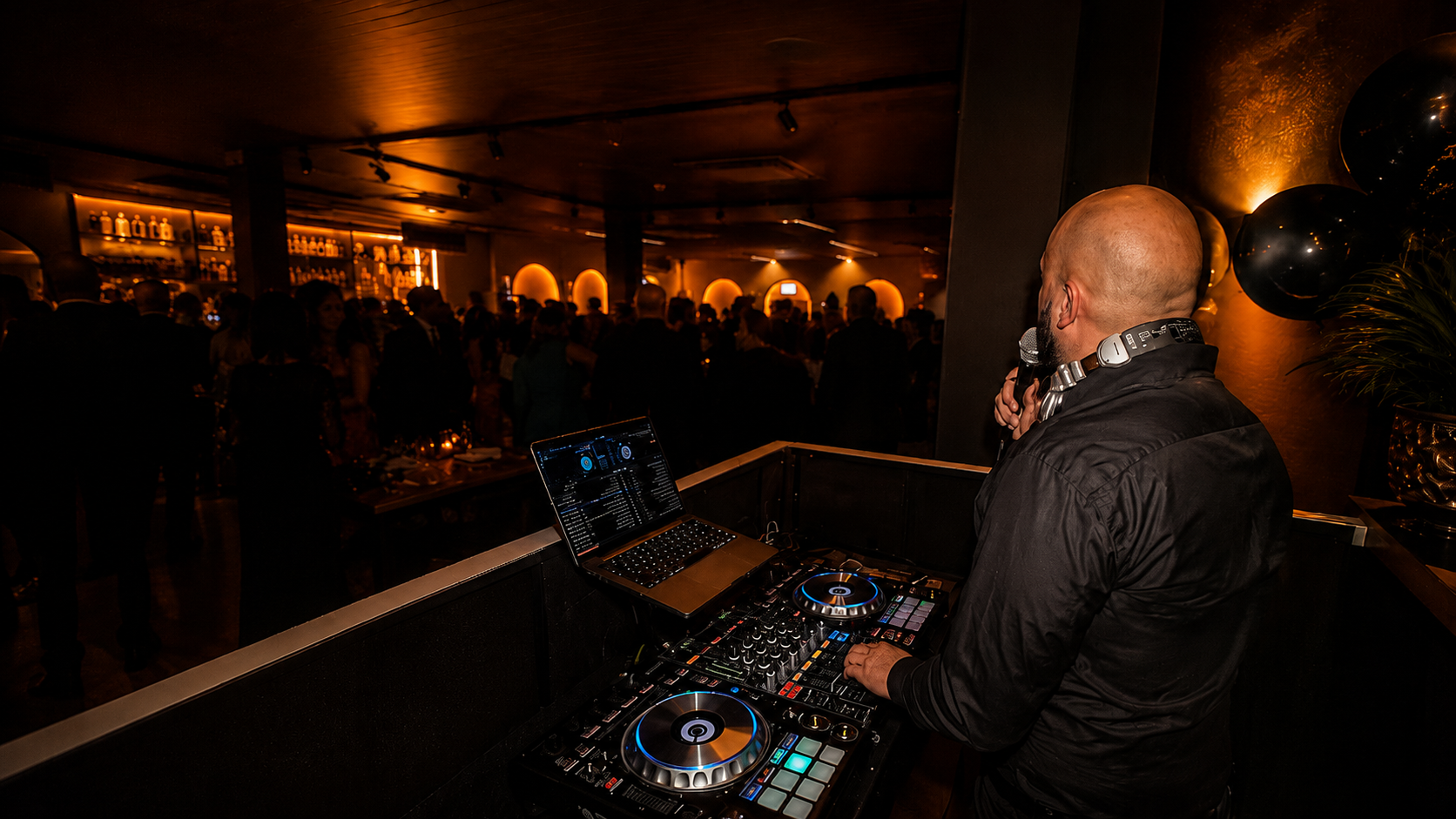
For the best atmosphere, the DJ should be positioned where they can see the crowd properly. This helps with reading the room, judging the energy and choosing the right music at the right time.
A professional wedding DJ is constantly watching the room. If guests are responding well to a certain genre, the DJ can build on it. If the room needs a change, the DJ can move quickly. But that only works properly when the layout allows the DJ to connect with the crowd.

8. Be Careful Booking Your Wedding on Major Sports Dates
This is something couples do not always think about, but from experience, it can make a real difference to the atmosphere of a wedding reception.
Before confirming your wedding date, check whether there are any major sporting events happening on the same day. This could include big football matches, World Cup fixtures, Euros games, Champions League finals, boxing events or other major televised sporting moments.
I am sorry to break it to you, but some guests will prioritise the game — even if they still attend your wedding.
I have seen this happen many times. Guests arrive, enjoy the day, and then as soon as a big match starts, groups begin disappearing to watch it on phones, in the bar, outside the reception room or in another part of the venue. Before you know it, the dancefloor loses people, the room feels split and the overall mood of the party changes.
This does not mean you should plan your wedding around every possible event, but if there is a huge football fixture or national sporting moment on the same date, it is worth thinking about. This is especially important if you know your guest list includes a lot of football fans or sports fans.
A wedding DJ can do a lot to build energy, read the room and keep the party moving, but if half the guests are outside watching a penalty shootout, it becomes harder to keep the dance floor full.
Before confirming your wedding date, ask yourself:
Is there a major football final or tournament fixture on that date?
Is England, another home nation or a major club likely to be playing?
Is there a World Cup, Euros or Champions League final happening?
Will your guests be likely to leave the room to watch it?
Does the venue have TVs in the bar or separate areas that could pull guests away?
Would a different date protect the atmosphere of your evening reception?
If the date is already booked and a major sports event clashes, plan around it properly. You may need to speak to the venue, planner and DJ about timings, speeches, dinner service and when the party set should begin.
The key point is simple: your wedding reception needs the room to feel connected. The more your guests stay together, the better the atmosphere, the stronger the dancefloor and the more memorable the night feels.
9. Air Conditioning Is Essential for Summer Weddings
If you are getting married in the summer, air conditioning is not a luxury — it is essential.
A packed wedding reception can get very hot very quickly. Add suits, dresses, lighting, dancing, alcohol, a full room of guests and summer weather, and the temperature can become uncomfortable fast.
If the room is too hot, people will leave the dance floor. They may go outside, sit down or stay near the doors. That affects the energy of the party.
Before booking a summer wedding venue, ask:
Does the main reception room have proper air conditioning?
Is the air conditioning strong enough for a full guest count?
Can it stay on during the evening reception?
Are doors allowed to stay open?
Does the venue get hot during summer events?
Are there any known ventilation issues?
This matters even more for large weddings, Asian weddings, destination-style weddings and events where dancing is a big part of the night.
If you want a full dancefloor, your guests need to be comfortable.
10. Be Careful with Outdoor Marquees in Summer
Outdoor marquee weddings can look beautiful, but from a DJ and production perspective, they can be risky — especially in summer.
Heat, poor ventilation, uneven flooring, power limitations, noise restrictions, sound leakage and weather issues can all affect the event.
A marquee can become very hot during the day and uncomfortable in the evening if it does not have proper cooling. Sound can also be more difficult to control, and some outdoor venues have strict noise limits because of nearby residents.
If you are considering a marquee wedding, ask:
Is there proper air conditioning or cooling?
What are the sound restrictions?
Is there a sound limiter?
What time does music need to finish?
Is there enough power for DJ, lighting and production?
Is the floor stable and suitable for dancing?
What happens if the weather changes?
Is the bar inside the marquee or outside?
I would be very careful with outdoor marquee venues in the summer months unless the production, cooling, sound and layout have been properly planned.
They can work, but only when the practical details are taken seriously.
11. Your Venue Should Support the Party You Want
Every couple has a different vision.
Some want a relaxed, elegant evening. Some want a high-energy dancefloor. Some want a luxury wedding reception with full production, lighting, LED walls, cold sparks, dry ice and live entertainment. Some want a destination wedding feel with a party that continues late into the night.
The important thing is choosing a venue that supports the type of wedding you actually want.
If music and atmosphere are important to you, do not just choose a venue because it looks good in photos. Ask the practical questions.
Can the DJ play at the right level?Is the dancefloor positioned properly?Is the bar close to the party?Can you use haze, dry ice or cold sparks?Is there enough power for LED walls and production?Will guests be comfortable in the room?Are there any major sports events that could split the crowd?Does the venue support the kind of celebration you want?
These details can make a huge difference.
Final Thoughts from an Experienced Wedding DJ
A wedding venue can look stunning, but the practical details will decide how the party feels.
From a DJ’s perspective, the best venues are not just beautiful. They are functional, flexible and designed with the guest experience in mind. They allow proper sound, support event production, keep the bar close to the dancefloor, provide enough power, consider major date clashes and keep guests comfortable.
Whether people admit it or not, the music and atmosphere are a huge part of what guests remember.
The right DJ can read the room, build the energy and create an unforgettable night — but the venue has to support the experience.
Before you book your wedding venue, think beyond the photos. Think about the party, the sound, the layout, the lighting, the production, the guest comfort and even the date itself.
Because when all of those things work together, your wedding reception does not just look good.
It feels unforgettable.
Frequently Asked Questions
Should I ask my wedding venue about sound limiters?
Yes. Always ask if the venue has a sound limiter, what level it is set to and whether it cuts power if music goes over the limit. A strict sound limiter can affect the atmosphere of your wedding reception.
Can all wedding venues allow dry ice for the first dance?
No. Some venues do not allow dry ice because of fire alarms, ventilation or health and safety policies. Always check before booking dry ice for your first dance.
Why is haze important for wedding lighting?
Haze helps lighting beams become visible, which makes moving heads, stage lighting and dance floor production look far more dramatic. Without haze, lighting can look much flatter.
Do wedding venues allow cold sparks?
Some venues allow cold sparks, but others do not. Always check the venue’s fire safety rules, ceiling height, insurance requirements and supplier policy before booking cold sparks.
Do I need 63 amp power for an LED wall?
Larger LED walls and full event production setups may require industrial power such as 63 amp supply. Always check with the venue and your production supplier before booking an LED wall.
Where should the bar be at a wedding reception?
The bar should ideally be inside or very close to the main reception and dancefloor area. If the bar is too far away, guests may drift away from the party and the dancefloor energy can drop.
Should I avoid booking my wedding on the same day as a major football match?
If music, dancing and atmosphere are important to you, it is worth checking the sports calendar before choosing your wedding date. Major football matches, World Cup fixtures, Euros games or big finals can pull guests away from the dancefloor if they leave the room to watch the game.
Is air conditioning important for summer weddings?
Yes. Air conditioning is extremely important for summer weddings. If the room gets too hot, guests are less likely to dance and may leave the main reception space.
Are marquee weddings good for parties?
Marquee weddings can work well, but they need careful planning. You must consider cooling, sound restrictions, power supply, flooring, weather and bar placement before booking a marquee venue.
Planning a Wedding That Needs the Right Energy?
Your venue sets the scene, but the music decides how the night feels.
If you want a wedding reception that flows properly, keeps guests engaged and brings the dance floor to life, choosing the right DJ matters just as much as choosing the right venue.
DJ Pav brings over 20 years of experience as an open-format wedding DJ and MC, performing at luxury weddings, destination weddings, pre-wedding parties, corporate events and private celebrations. From reading the room and building the energy to working with venues, planners and suppliers, the focus is simple — creating a celebration your guests remember for the right reasons.
If you are planning a luxury wedding, destination wedding or private celebration, get in touch with DJ Pav to discuss your date, venue and vision.
Because the right venue gives you the setting.The right DJ gives you the night.

Comments